
In other words, where love is an easy enough word to say, it requires a movement away from ego and fear to truly offer and fully accept. People who are actively addicted are in a constant state of ego and fear; the bricks and mortar make a very substantial wall that impedes emotional availability. Additionally, because active addiction is a disconnection from self and therefore they are not in touch with their own emotional or spiritual needs, they cannot connect relationships in recovery to those needs in others. Alcohol addiction causes an imbalance of neurotransmitters in the brain called dopamine, serotonin, norepinephrine, and GABA.
- Our holistic approach supports your physical, mental, and spiritual health through a range of evidence-based treatment modalities.
- Our thoughts and feelings can change in the moment, especially when under the influence of substances.
- Yes, it is possible for two addicts to have a healthy relationship, but it comes with significant challenges.
- As such, they are abusive and negligent in all relationships; romantic, platonic, professional, and familial.
What If Mental Health Issues Co-Exist With Alcohol Use Disorder?
Seeing someone struggle and grow stronger every day is one of the toughest things a person can face. It takes patience, understanding, and emotional support for someone who is working to overcome addiction. Confronting the reality that an alcoholic family member won’t get help is a painful acknowledgment. It raises questions about the nature of addiction, the intricacies of recovery, and the role of family support. Struggles in recovery are often deeply rooted in the individual’s internal battles, and forcing help upon them might not yield the desired results. Instead, it becomes a delicate dance of offering a lifeline while respecting their journey.
Figure Out How To Best Support Them
Identify personal limits around emotional talk, physical space, and support needs. During recovery, boundaries act as protective barriers that prevent دخول toxic behaviors and help sustain your emotional health. Learning to say no, setting limits on what one is willing to accept, and encouraging independence are vital steps. Knowledge about enabling behaviors can be reinforced by consulting with professionals or attending support groups, making it easier to promote personal growth and recovery for both oneself and loved ones. Family therapy is particularly helpful for families whose members suffer from both alcoholism and mental illnesses.

Maintaining Positive Social Connections
Paul is passionate about high-quality addiction treatment and truly believes that, with the right treatment, anyone can recover. Alcohol consumption isn’t just an emotional burden – it’s often a financial one, too. Whether it’s excessive spending on alcohol, legal fees for DUI arrests, or loss of income due to job terminations, the financial toll becomes another major point of tension. Originally from Boca Raton, Florida, Danny moved to Denver to study at the University of Colorado and earned a master’s degree in counseling. Danny spent the first nine years of his career working in youth residential treatment. After managing that program for six years, Danny moved to AspenRidge and now leads the clinical team.
Maintaining Healthy Partnerships Throughout Recovery
Maintain your profile by updating your photos, video links, treatment services, and contact details to ensure optimal visibility. Communicate your needs clearly and assertively, and be prepared to enforce them. Indicators like belittling, guilt-tripping, or undermining accomplishments weaken self-esteem and hinder recovery efforts.
- High protein foods can also be beneficial, as they provide energy and help to reduce fatigue during an alcohol detox.
- They are provided with single and double rooms with a bathroom and toilet.
- A good sponsor will be there no matter what and provide support so it is important to maintain close Alcoholics Anonymous relationships only with sponsors.
Understanding How Alcohol Affects Communication in Relationships
If she weren’t excelling in her current role, Christy would likely champion environmental activism, advocating for nature’s preservation. Her expertise encompasses group and individual work, with a particular focus on trauma. Darcie finds fulfillment in working with the LGBTQ+ population, leveraging her skills to support and empower. The best piece of advice she’s ever heard is to never take advice from someone who does not have what you are seeking. Outside AspenRidge, Jordan enjoys rock climbing, snowboarding, and playing volleyball and soccer.
How Addiction Strains Relationships
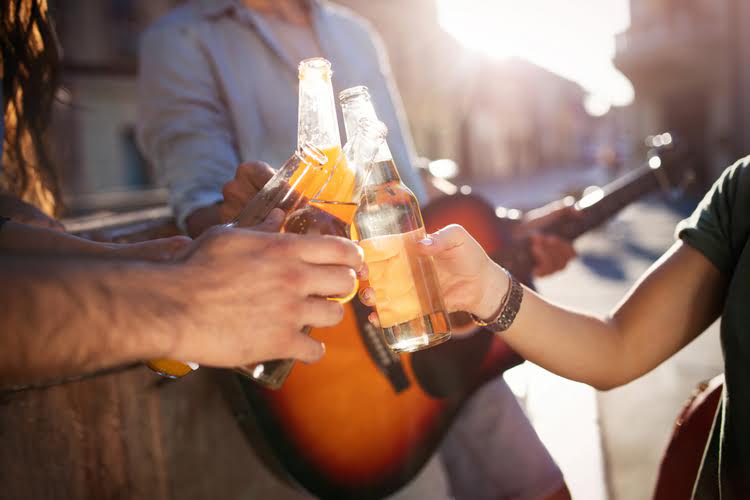
Healthy relationships can enrich recovery journeys, contributing to improved mental and emotional health when approached thoughtfully. Begin your journey to recovery with personalized drug & alcohol rehab—verify your insurance coverage in under a minute. While no one wants to believe that their relationship will end, most relationships do.
- As a result of the family taking on unhealthy roles, the only person who wins in the end is the person who needs help.
- Rebuilding trust is essential and often involves open communication, therapy, and support groups to address past harms and establish healthier patterns.
- Recognizing the characteristics of supportive bonds versus toxic patterns is essential for maintaining sobriety and mental health.
- They are expressions of love in action toward self, and the journey forward is about learning to love you.
- Seeking support from trusted friends, family, or professionals can help you assess your situation objectively.
Exploring the Psychological Effects of Alcohol on Mood and Behavior
Like with every relationship, challenges arise, and it’s all about how you rise above and enact change. When you are dating someone in recovery, there might be some more unique challenges that come your way. Document incidents of toxicity or abuse if necessary, especially in cases of gaslighting or emotional manipulation, to preserve your perspective and for potential legal reasons. Performing this break in a safe environment minimizes risk and helps ensure the physical and emotional safety of the individual. Seeking support from trusted friends, family, or professionals can help you assess your situation objectively.
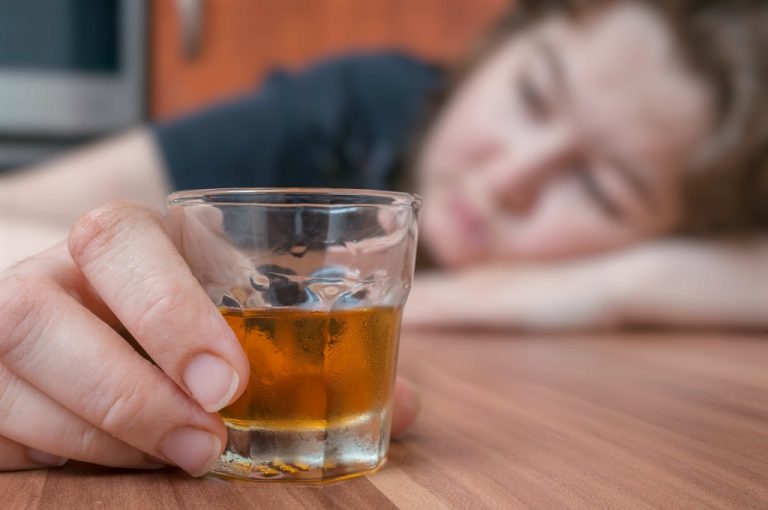
Entering romantic relationships in recovery does not add stability and reliable support because new relationships often come with intense emotions. Therefore, these relationships in early recovery should be approached differently to constant, pre-existing relationships. Trust is a fundamental part of every relationship, and it often takes a big hit during periods of substance use.
She is a trauma-informed clinician who prioritizes the relationship between clinician and client. Addiction impacted her Sober living house own family and influenced her compassionate and empathetic relationship with clients. She believes in healing the whole person in a safe and supportive environment.
To build healthy relationships during recovery, open communication about personal recovery journeys is vital. Partners should prioritize their own well-being, set clear boundaries, and engage in mutual-support activities. Establishing a solid support network outside of romantic interests is crucial; those who understand the individual’s recovery process can provide necessary accountability and encouragement. Experts recommend waiting at least one year before entering new romantic relationships.